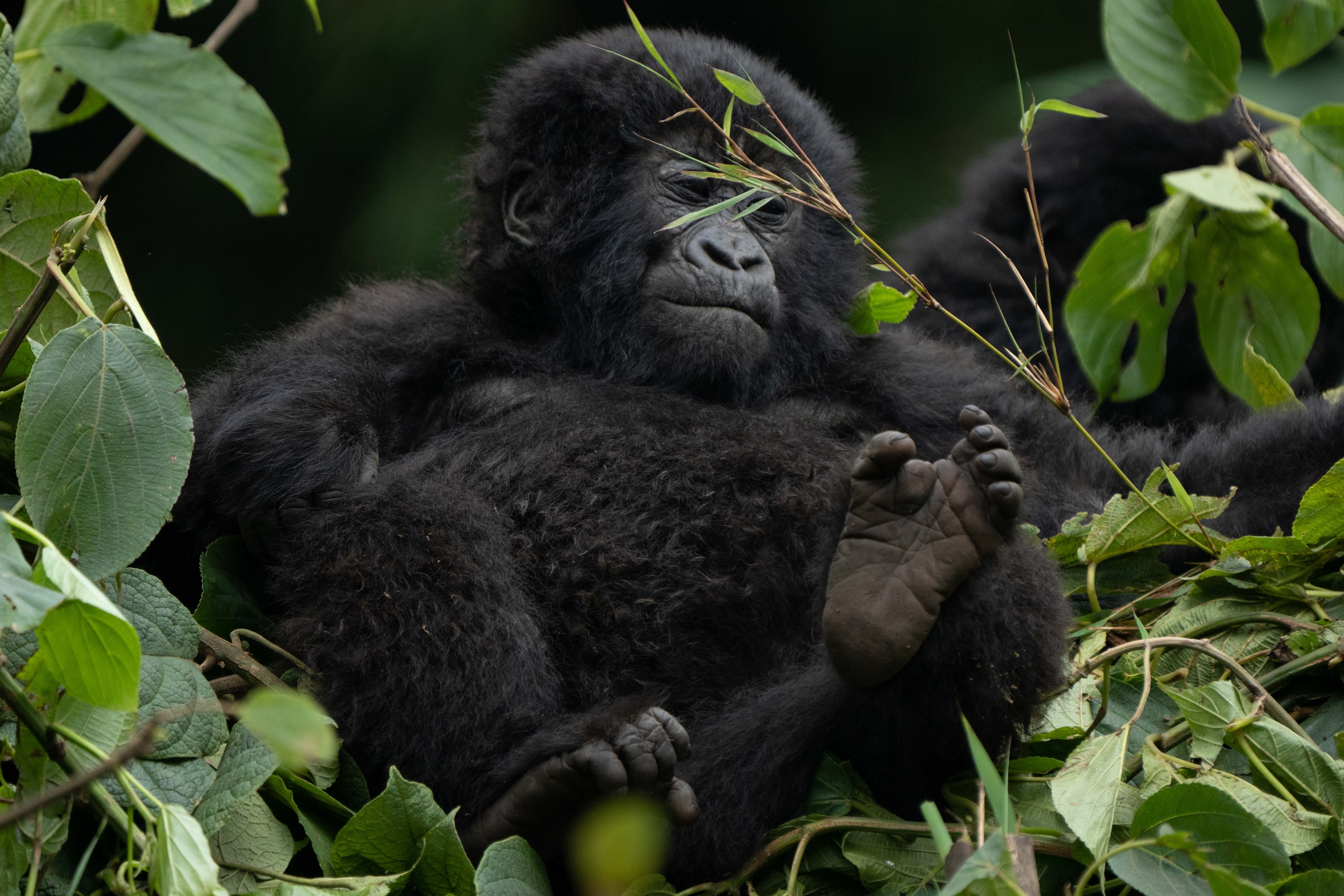
Why we need a little more wildness
Modern life has become extraordinarily polished. Our hotels are optimised, our itineraries are curated, our experiences are designed. Something important may have been lost in the process.
There is a particular kind of perfection that has crept into modern hospitality, travel and wellbeing. Everything is considered. The lighting is calibrated. The menu is edited. The itinerary is curated. The experience has been designed, tested, refined and optimised until it delivers, reliably, what it promised. And yet something is missing.
What is missing is wildness. Not wilderness in the geographic sense, though that too, but a quality of experience that is uncontrolled, unpredictable, and therefore genuinely alive. The kind of afternoon that could not have been planned. The conversation that went somewhere unexpected. The place that revealed itself slowly, on its own terms, rather than presenting itself immediately.
We have built an extraordinary infrastructure for the removal of uncertainty. Reviews tell us what to expect before we arrive. Algorithms surface the places most likely to match our existing preferences. Booking systems eliminate the possibility of simply turning up and seeing what happens. The result is a world of experiences that are consistently good and rarely surprising.
The most memorable experiences are rarely the ones that went exactly to plan.
The most memorable experiences are rarely the ones that went exactly to plan. They are the detour that became the point of the trip. The restaurant with no menu. The hotel that felt like someone actually lived there. The morning with nothing scheduled that turned into the best day. These experiences share a quality: they required something of us. They asked us to be present rather than to consume.
This is not an argument for discomfort or chaos. It is an argument for leaving room. For building places and experiences that have not been entirely resolved. For trusting that people are capable of finding their own way through something, and that the finding is part of the value.
The brands and places that will matter in the next decade are not the ones that have perfected the formula. They are the ones that have understood when to put the formula down. Wildness is not the opposite of quality. It is what quality looks like when it stops trying to prove itself.
I spent a week recently paying closer attention than usual to the places I was staying and eating. Not as a critic, I was not looking for faults, but as someone trying to understand what actually makes the difference between a place that is good and a place that stays with you.
The first thing I noticed is that the places I remembered most warmly were not the ones that had tried hardest. The most effortful hospitality, the welcome drinks, the turndown notes, the carefully scripted greetings, left almost no impression. It was pleasant enough in the moment and gone by morning.
The best service is the kind you only notice when it is absent.
What stayed were smaller things. A restaurant where the staff seemed to be genuinely enjoying themselves. A hotel where the breakfast room felt like it belonged to the building rather than having been installed in it. A bar where the person behind it knew what they were doing and did not need you to know that they knew.
The best service is the kind you only notice when it is absent. When it is present, it simply feels like being somewhere good. The mechanics are invisible. The effort does not show. This is, of course, the hardest thing to achieve and the easiest to lose the moment you start trying to make it visible.
Most hospitality training teaches people to perform care rather than to exercise it. The difference is audible within about thirty seconds of arrival. Performance has a particular quality, slightly too warm, slightly too consistent, slightly too aware of itself. Real care is irregular, specific, and occasionally surprising.
There is a distinction worth making between a location and a place. A location is a set of coordinates. A place is somewhere that has accumulated enough meaning, through use, through time, through the people who have passed through it, to have a character of its own.
Most new developments are locations. They are built quickly, designed comprehensively, and opened before they have had time to become anything other than what they were intended to be. The intention is usually good. The result is often a place that feels like a rendering of itself.
A place is somewhere that has been lived in long enough to have a point of view.
The places that feel genuinely like places tend to have a few things in common. They have some evidence of time, not necessarily age, but the marks of use and decision and change. They have a relationship with what surrounds them, rather than existing in spite of it. And they have been shaped by people who cared about them specifically, rather than about the category they belonged to.
A place is somewhere that has been lived in long enough to have a point of view. This is why the most interesting new hospitality projects are often the ones that inherit something, a building, a landscape, a community, and work with it rather than over it.
The question for anyone building something new is how to create the conditions for a place to emerge, rather than simply delivering a finished product. It requires a different kind of patience, and a willingness to leave some things unresolved. Most briefs do not ask for this. The best ones do.

